
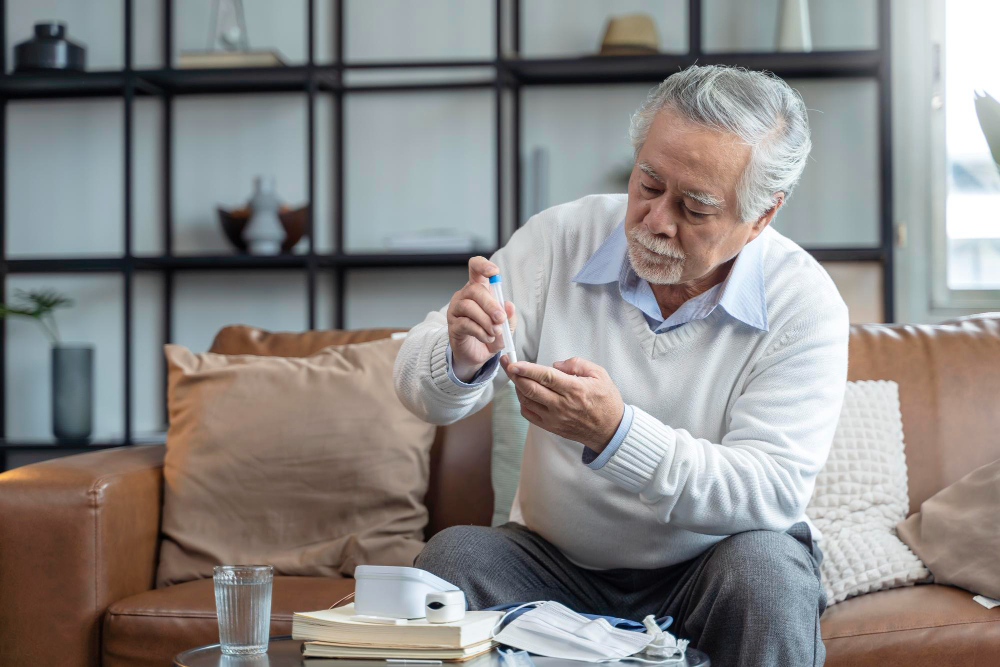
Introduction: What Is Low Blood Sugar in Older Adults?
Low blood sugar in older adults, also called hypoglycemia, happens when blood sugar drops below normal levels. For seniors, this can be serious. It may cause confusion, falls, or even loss of consciousness. Because older adults often take medicines for diabetes or other health issues, they are at higher risk. Therefore, knowing the signs and how to prevent hypoglycemia is important for safety and well-being.
Symptoms: How to Recognize Low Blood Sugar in Seniors
Older adults may not always feel the classic signs of low blood sugar. However, some symptoms are common. Early recognition helps prevent complications. Watch for these signs:
Sometimes, symptoms can be mild. But in some cases, they may become severe quickly. For example, fainting or seizures can occur if blood sugar drops too low.
Causes: Why Does Hypoglycemia Happen in Older Adults?
There are several reasons why low blood sugar in older adults occurs. Often, it is linked to diabetes treatment. Yet, other factors can also play a role. Common causes include:
Additionally, some older adults may have trouble noticing symptoms. This is called “hypoglycemia unawareness.” As a result, they may not realize their blood sugar is low until it becomes dangerous.
Diagnosis: How Is Low Blood Sugar Detected?
Doctors diagnose hypoglycemia by checking blood sugar levels. Usually, a blood sugar below 70 mg/dL is considered low. However, some people may feel symptoms at higher levels. To confirm, a healthcare provider may:
Sometimes, doctors may order more tests to find the cause. For example, they might check kidney or liver function. Early diagnosis helps prevent serious problems.
Treatment: What to Do If Blood Sugar Is Low
If you suspect low blood sugar in an older adult, act quickly. First, check their blood sugar if possible. If it is low or they have symptoms, give them a fast-acting sugar source. Good options include:
After 15 minutes, recheck blood sugar. If it is still low, repeat the steps. Once they feel better, offer a small snack or meal to keep levels stable. For severe symptoms, such as fainting or seizures, call emergency services right away.
Lifestyle Guidance: Tips for Managing Blood Sugar Daily
Managing low blood sugar in older adults takes daily care. Here are some helpful tips:
With these steps, you can lower the risk of sudden drops in blood sugar.
Prevention: How to Prevent Hypoglycemia in the Elderly
Preventing hypoglycemia is key for older adults. Here are some ways to stay safe:
Because prevention is easier than treatment, these steps can help avoid emergencies.
When to Seek Help: Emergency Signs and Medical Advice
Sometimes, low blood sugar in older adults can become an emergency. Seek help right away if you notice:
Even if symptoms are mild, talk to your healthcare provider if you have frequent low blood sugar episodes. They can adjust your treatment plan to keep you safe.
Conclusion
Low blood sugar in older adults is a serious health issue. However, with early recognition, proper treatment, and daily care, most seniors can manage it well. For personalized advice on managing low blood sugar, consult a healthcare specialist.
Sources: Centers for Disease Control and Prevention (CDC), American Diabetes Association, World Health Organization (WHO)