
What is Diabetic Ketoacidosis?
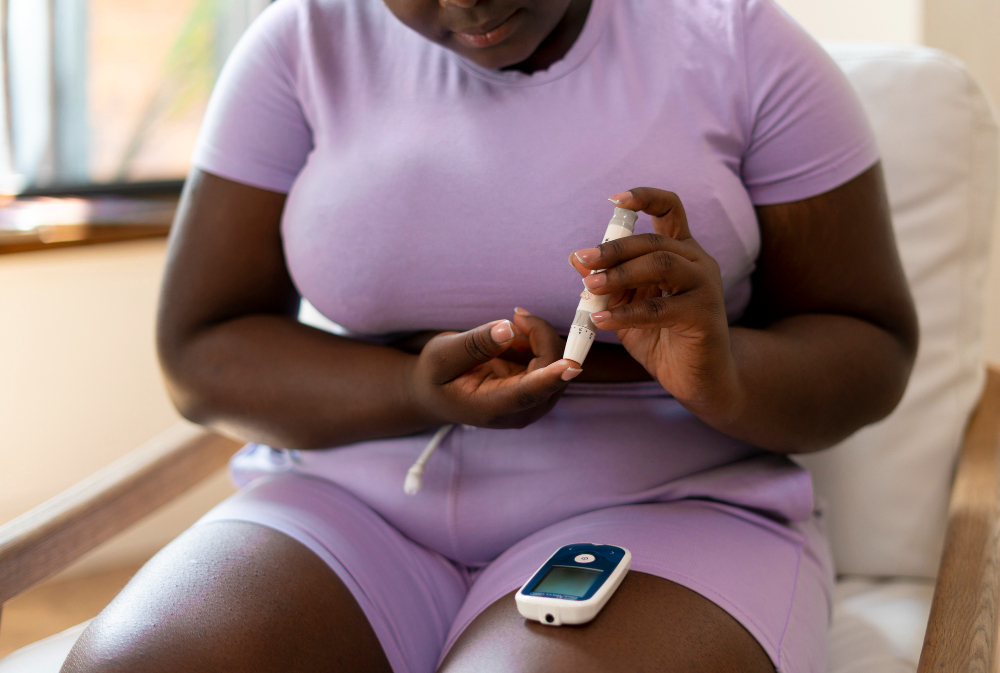
Diabetic Ketoacidosis, often called DKA, is a serious diabetes complication. It happens when your body does not have enough insulin. As a result, blood sugar levels rise very high. Your body then starts breaking down fat for energy. This process creates acids called ketones. Too many ketones can make your blood acidic. DKA is a high blood sugar emergency. It can be life-threatening if not treated quickly. People with type 1 diabetes are most at risk. However, those with type 2 diabetes can also develop DKA. Early treatment is important to prevent serious problems.
Symptoms of Diabetic Ketoacidosis
DKA symptoms can appear quickly, sometimes within hours. Recognizing these signs early can save lives. Common symptoms include:
Sometimes, symptoms can be mild at first. But they can get worse quickly. Therefore, it is important to watch for these warning signs.
Causes and Risk Factors
DKA happens when your body cannot use sugar for energy. Instead, it uses fat, which leads to ketone buildup. Several things can trigger DKA:
Some people are more at risk. For example, teens and young adults with type 1 diabetes face higher risk. People with poor blood sugar control or those who skip insulin are also at risk. Infections are a common cause, especially in older adults.
Diagnosis
Doctors diagnose Diabetic Ketoacidosis using several tests. First, they check your blood sugar. High blood sugar is a key sign. Next, they test for ketones in your blood or urine. High ketone levels confirm DKA. Doctors may also check:
Quick diagnosis is important. Early treatment can prevent serious complications. If you have diabetes and feel unwell, ask your doctor about DKA testing.
Treatment Options
DKA is a medical emergency. Therefore, treatment usually happens in a hospital. The main goals are to lower blood sugar, stop ketone buildup, and fix fluid loss. Treatment steps include:
Doctors will watch you closely during treatment. Most people start to feel better within a day. However, full recovery may take longer. Early treatment lowers the risk of serious problems.
Prevention Tips
Preventing Diabetic Ketoacidosis is possible with good diabetes care. Here are some helpful tips:
With regular care, you can lower your risk of DKA. Always follow your doctor’s advice for diabetes management.
When to Seek Medical Help
DKA can become life-threatening very fast. Therefore, seek medical help right away if you:
Even if you are unsure, it is better to get checked. Early treatment can save your life.
Consult a healthcare professional immediately if you suspect Diabetic Ketoacidosis.