
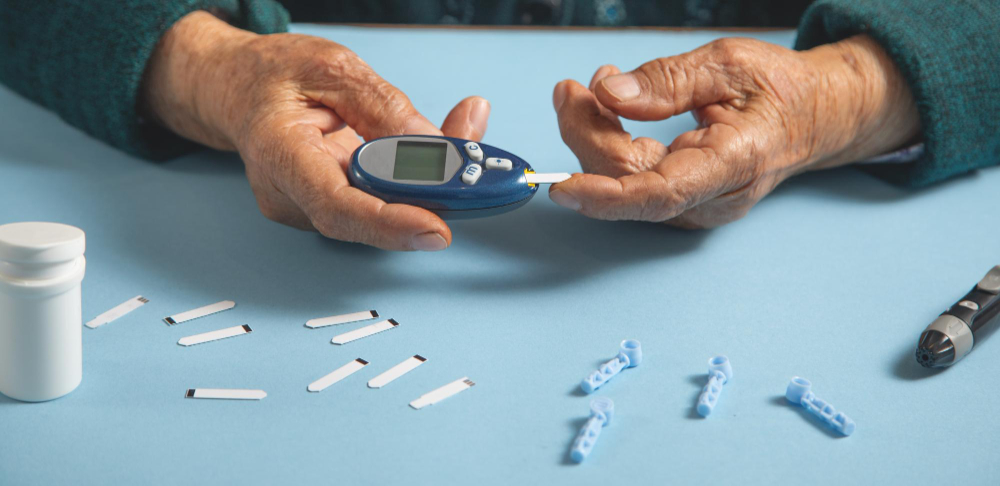
What is Prediabetes?
Prediabetes is a health condition where blood sugar levels are higher than normal but not high enough for a diabetes diagnosis. Many people in the US have prediabetes, but most do not know it. However, the good news is that prediabetes is reversible. With early action, you can prevent type 2 diabetes and improve your health. According to the CDC, over 1 in 3 adults in the US have prediabetes.
Symptoms and Risk Factors
Often, prediabetes does not cause clear symptoms. Still, some people may notice signs like:
Even if you have no symptoms, you may be at risk. For example, certain factors increase your chances of developing prediabetes:
Because prediabetes symptoms are often silent, regular check-ups are important.
Causes of Prediabetes
Prediabetes develops when your body cannot use insulin well. Insulin is a hormone that helps move sugar from your blood into your cells. Over time, your cells may become less sensitive to insulin. As a result, blood sugar rises. Several things can cause this problem, such as:
Therefore, making healthy choices can help lower your risk.
How Prediabetes is Diagnosed
Doctors use simple blood tests to check for prediabetes. For example, these tests include:
If your results are higher than normal but not in the diabetes range, you may have prediabetes. Early diagnosis is key to reversing prediabetes naturally.
Treatment and Lifestyle Changes
Fortunately, prediabetes can be managed and even reversed. Most people do not need medicine. Instead, doctors recommend lifestyle changes for prediabetes, such as:
Because these steps are proven to work, they can help prevent type 2 diabetes. According to the CDC, losing a small amount of weight and being active can cut your risk by more than half.
Prevention Tips
Even if you do not have prediabetes, you can take steps to stay healthy. For instance, try these tips:
Because small changes add up, you can lower your risk of prediabetes and type 2 diabetes.
When to See a Doctor
If you have risk factors or notice prediabetes symptoms, talk to your doctor. Early testing can help you start reversing prediabetes naturally. In addition, regular check-ups are important if you have a family history of diabetes or other health concerns. Remember, only a healthcare professional can give you personalized advice.
In summary, prediabetes is a warning sign, but it is also a chance to make healthy changes. Consult a healthcare professional for personalized advice on reversing prediabetes.