
What is Hypoglycemia?
Hypoglycemia means your blood sugar level is lower than normal. Blood sugar, or glucose, gives your body energy. When it drops too low, your body cannot work well. Anyone can have hypoglycemia, but it is more common in people with diabetes. However, knowing about hypoglycemia is important for everyone. Early action can help prevent serious problems.
Causes of Hypoglycemia
There are many reasons why hypoglycemia can happen. Some causes are linked to health conditions, while others are due to daily habits. Understanding these causes can help you stay safe.
For people without diabetes, hypoglycemia can still happen, but it is less common. Sometimes, it is caused by other health issues or certain medicines.
Symptoms of Hypoglycemia
Recognizing low blood sugar symptoms early can help you act fast. Symptoms can start mild but may get worse quickly. Watch for these warning signs:
Sometimes, symptoms can be mild. But if not treated, they can become severe and lead to fainting or seizures.
Diagnosis of Hypoglycemia
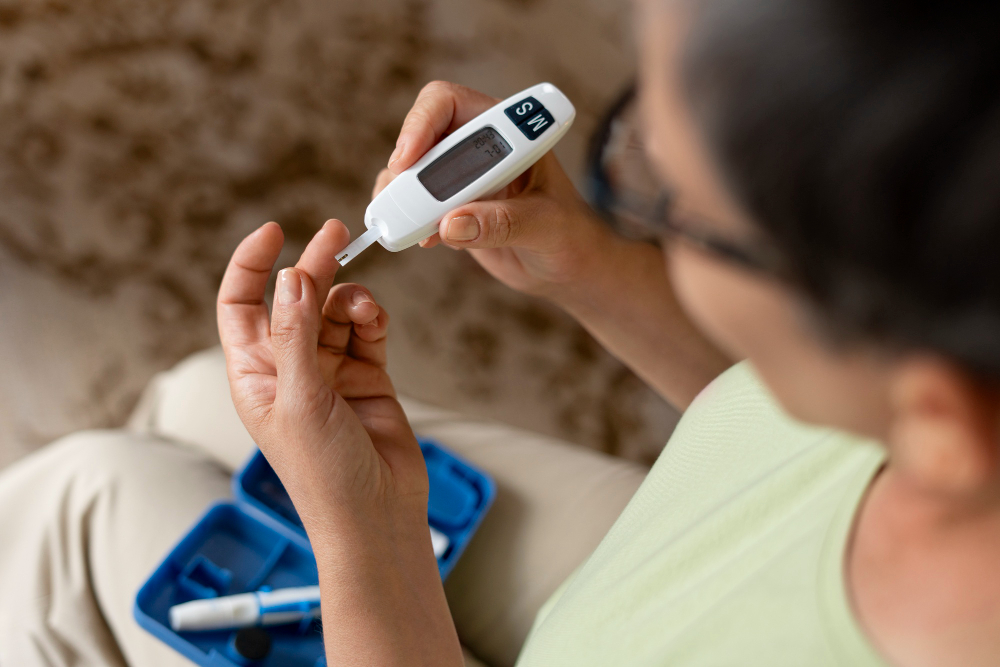
If you think you have hypoglycemia, it is important to check your blood sugar. Most people use a small device called a glucose meter. This tool gives a quick reading from a drop of blood. Doctors may also order lab tests to confirm low blood sugar. If you often have symptoms, keep a record and share it with your doctor. Seek medical help if you have frequent or severe episodes. Early diagnosis helps prevent serious problems.
Treatment Options for Hypoglycemia
When hypoglycemia happens, acting quickly is key. Here are immediate steps you can take:
After your blood sugar returns to normal, eat a small snack if your next meal is far away. In some cases, you may need medical help. For severe hypoglycemia, doctors may give an injection called glucagon. Always follow your doctor’s advice for treating hypoglycemia.
Prevention and Lifestyle Tips
Preventing low blood sugar is possible with a few simple steps. These healthy habits can help you stay safe:
Additionally, keeping a food and activity diary can help you spot patterns. This way, you can avoid triggers and prevent future episodes.
When to See a Doctor
Sometimes, hypoglycemia can be dangerous. Seek medical help right away if you:
Early treatment can prevent serious problems. Always let your doctor know about any new or worsening symptoms.
If you experience symptoms of hypoglycemia, consult a healthcare professional for personalized advice.