
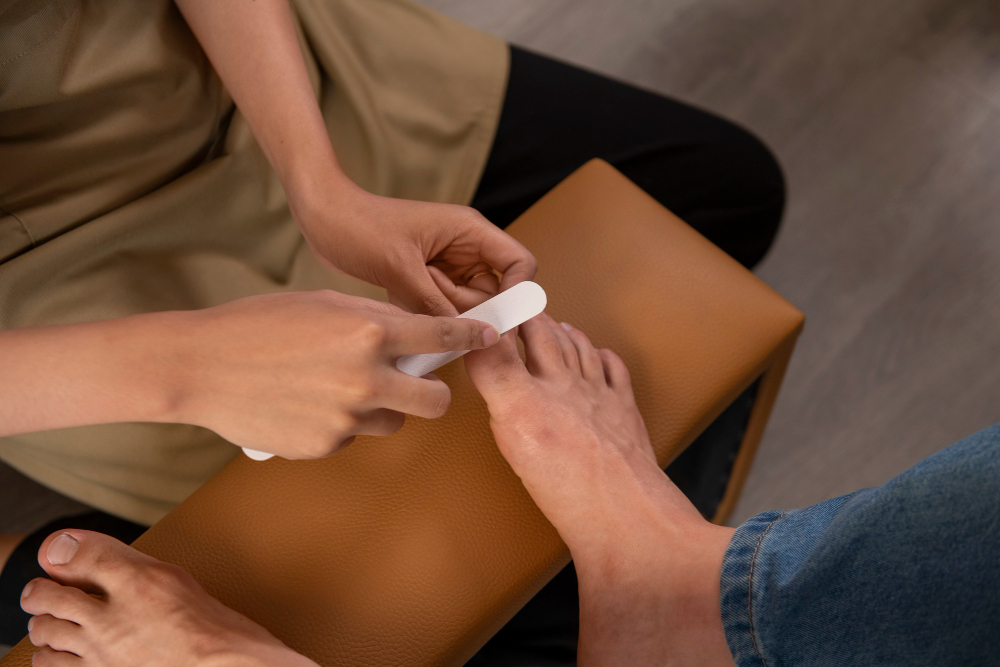
What is Diabetic Foot Care?
Diabetic foot care means taking special steps to keep your feet healthy if you have diabetes. Because diabetes can cause nerve damage and poor blood flow, your feet need extra attention. Early care can help prevent serious problems. For those looking for diabetic foot care in your area, these tips are helpful everywhere.
Why is Foot Care Important for People with Diabetes?
People with diabetes are more likely to have foot problems. This is because high blood sugar can damage nerves and blood vessels. As a result, you may not feel pain or notice injuries. Over time, even small cuts can turn into big issues. Therefore, good foot care helps prevent infections and keeps you active.
Common Foot Problems in Diabetes
Many people with diabetes face foot issues. Some common problems include:
Because these problems can get worse quickly, it is important to check your feet every day.
Symptoms to Watch For
It is wise to look for early signs of trouble. Watch for these symptoms:
If you notice any of these, act quickly. Early care can prevent bigger problems.
Daily Foot Care Tips for Diabetics
Good daily habits can keep your feet safe. Here are some foot care tips for diabetics:
With these steps, you can lower your risk of foot problems.
When to See a Doctor
Sometimes, home care is not enough. You should see a doctor if you notice:
Early treatment can prevent serious issues. Do not wait if you see any of these signs.
Prevention Strategies
Preventing diabetic foot problems is possible with simple steps. For example, you can:
By following these tips, you can protect your feet and stay healthy.
Frequently Asked Questions
How often should I check my feet?
Check your feet every day. This helps you spot problems early.
Can I use a heating pad on my feet?
No, avoid heating pads. They can cause burns if you have nerve damage.
What shoes are best for diabetic feet?
Choose shoes that fit well, have soft insides, and protect your feet from injury.
Is it safe to trim my own toenails?
Yes, but cut them straight across. If you have trouble, ask your doctor or a foot specialist.
Conclusion and Call-to-Action
In summary, diabetic foot care is vital for people with diabetes. Simple daily steps can help prevent serious problems. If you notice any changes in your feet, seek help right away. Consult a healthcare specialist for personalized diabetic foot care guidance.