
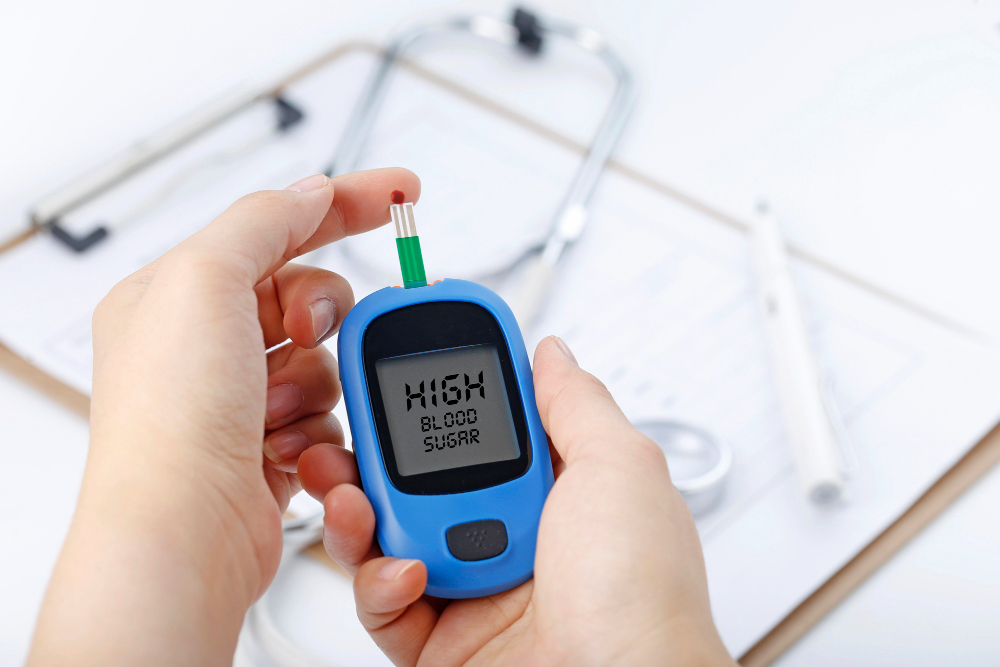
Continuous glucose monitoring, or CGM, is a new way to track blood sugar. Unlike old methods, CGM gives real-time updates. This helps people manage diabetes better. But it can also help those who want to watch their health closely. In this blog, you will learn what continuous glucose monitoring is, how it works, and why it matters. You will also find out who should consider CGM and how to get started.
What Is Continuous Glucose Monitoring?
Continuous glucose monitoring, often called CGM, is a system that checks blood sugar levels all day and night. Instead of pricking your finger many times, CGM uses a small sensor. This sensor sits just under your skin. It measures your blood sugar every few minutes. Because of this, you get a full picture of your sugar levels. Traditional testing only gives a snapshot at one moment. However, CGM shows trends and changes over time. This makes it easier to spot patterns and avoid problems.
How Does Continuous Glucose Monitoring Work?
CGM devices use smart technology to track blood sugar. Here is how the process usually works:
With these features, CGM makes blood sugar monitoring easier and less painful.
Benefits of Continuous Glucose Monitoring
Continuous glucose monitoring offers many advantages. For example, it helps people with diabetes avoid sudden drops or spikes in blood sugar. But it also helps others who want to track their health. Here are some key benefits:
Because of these benefits, many people find CGM helpful in daily life.
Who Should Consider Continuous Glucose Monitoring?
Not everyone needs CGM, but many can benefit. People with type 1 or type 2 diabetes often use it. However, others at risk for blood sugar problems may also find it useful. Consider CGM if you:
Even so, always talk to your doctor before starting CGM. Your age, health, and lifestyle matter.
How to Get Started with Continuous Glucose Monitoring
Starting with CGM is simple if you follow a few steps. Here is what you can do:
For first-time users, it helps to watch videos or read guides. Practice makes it easier. If you have questions, ask your healthcare team for support.
Safety, Accuracy, and Limitations
CGM devices are safe for most people. The World Health Organization (WHO) and the Centers for Disease Control and Prevention (CDC) support their use for diabetes care. However, no device is perfect. Sometimes, readings may be off by a small amount. For example, changes in temperature or pressure can affect results. You may still need to check with a finger prick if you feel unwell. Also, sensors need to be changed every 7 to 14 days, depending on the brand. Even so, most users find CGM accurate and helpful. Always follow the instructions for best results.
Frequently Asked Questions about Continuous Glucose Monitoring
Conclusion and Next Steps
Continuous glucose monitoring offers real-time blood sugar tracking and many health benefits. It can help people with diabetes and those who want to watch their health. If you think CGM may be right for you, consult a healthcare specialist for personalized advice on continuous glucose monitoring.